The Elegance and Versatility of Magenta Flower: A Unique Design Element for Creative Projects
Magenta Flower is a distinctive design element that blends natural beauty with typographic appeal. Named after the vibrant color it resembles, this flower motif has become a popular choice among designers for its rich symbolism and aesthetic versatility. While the term "Magenta Flower" can refer to both a literal flower with magenta-colored petals and stylized visual representations, in the context of design, it often takes the form of a decorative logo or logotype. This article explores what makes Magenta Flower stand out, how it compares to other design choices, and when it might be the best fit for your project.
What Is Magenta Flower?
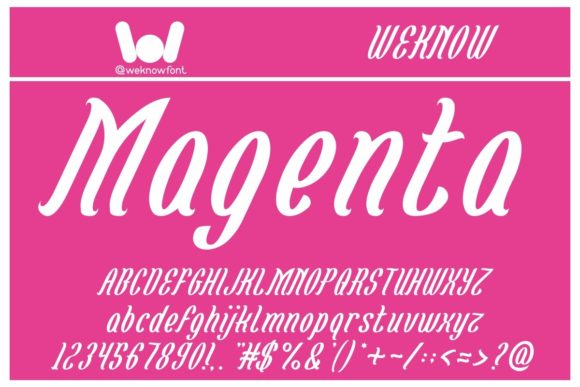
Magenta Flower typically refers to a stylized floral design rendered in shades of magenta—a deep, vivid pinkish-purple hue. In creative design, it is often used as a symbol of passion, creativity, and innovation. The design can appear in various forms, from minimalist line drawings to bold, gradient-filled illustrations. When incorporated into typography, especially as a slab serif font, it adds an artistic flair while maintaining readability and professionalism.
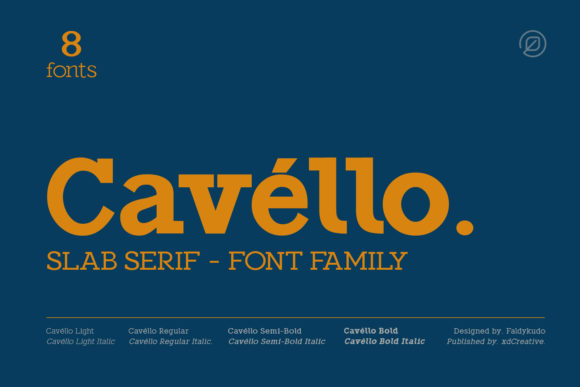
A fancy slab serif font like Magenta Flower combines the strong, blocky characteristics of traditional slab serifs with a more decorative and modern twist. These fonts are known for their thick strokes and flat, unbracketed serifs, which give them a striking presence on any medium. What sets Magenta Flower apart is its integration of floral elements—either through ligatures, iconography, or subtle embellishments—that make it ideal for branding and creative projects where nature-inspired aesthetics are desired.
Why Choose Magenta Flower for Your Design?
There are several reasons why designers turn to Magenta Flower for their logos, headlines, posters, and other visual content:
- Strong Visual Identity: The bold structure of slab serifs ensures legibility at large sizes, making it suitable for headlines, signage, and branding materials.
- Unique Aesthetic: The incorporation of floral motifs gives it a fresh and organic feel, distinguishing it from standard sans-serif or serif fonts.
- Versatile Color Palette: Though named for its magenta tone, this design element works well in monochrome settings or when paired with contrasting colors like gold, black, or white.
- Cross-Industry Appeal: Whether you're designing for fashion, entertainment, publishing, or digital media, Magenta Flower adapts seamlessly to different contexts.
Best-Fit Situations
Magenta Flower is particularly effective in the following scenarios:
- Brand Logos: It helps create a memorable identity for companies focused on lifestyle, wellness, or creative industries.
- Headline Typography: Its bold appearance makes it perfect for magazine covers, book titles, and website headers.
- Poster and Print Design: The font's expressive nature enhances the visual impact of event posters, exhibition banners, and promotional materials.
- Digital Media: With clean lines and high contrast, it performs well on screens, including YouTube thumbnails, Instagram posts, and web pages.
Comparing Magenta Flower with Other Font Styles
While Magenta Flower stands out for its unique blend of elegance and strength, it's important to consider how it fits within the broader landscape of font styles. Here’s how it compares with some common alternatives:
Slab Serif vs. Sans Serif Fonts
Slab serif fonts, like Magenta Flower, are characterized by their heavy, uniform strokes and flat serifs. They offer a sense of authority and stability, which is why they’re often used in corporate identities and luxury branding. In contrast, sans serif fonts have no serifs and tend to look cleaner and more modern. If your brand aims for a sleek, contemporary look, a sans serif may be preferable. However, if you want to convey tradition, sophistication, or a touch of whimsy, Magenta Flower provides a compelling alternative.
Decorative Fonts vs. Display Fonts
Decorative fonts are highly stylized and often include flourishes, curves, or thematic elements such as floral patterns. Magenta Flower walks the fine line between decorative and display fonts—it maintains enough structure for clarity but includes ornamental details that add character. Display fonts are usually reserved for specific uses like headlines or titles because they don’t always work well for body text. Magenta Flower is similar in that it shines most in headline applications but can also serve as a secondary font in more creative layouts.
Script Fonts and Handwritten Styles
If you're considering a script font or handwritten style for your design, Magenta Flower offers a more structured and professional look. Script fonts are great for conveying elegance or personalization, but they can sometimes lack the robustness needed for clear communication in branding. Magenta Flower balances personality with precision, making it suitable for both artistic and commercial purposes.
Strengths and Tradeoffs of Using Magenta Flower
Like any design choice, using Magenta Flower comes with its own set of advantages and considerations. Understanding these can help you decide whether it aligns with your project’s goals.
Key Strengths
- High Readability in Large Sizes: The bold, structured nature of slab serifs ensures that Magenta Flower remains easy to read even when used in big formats.
- Memorable Branding: The floral accents and rich magenta tones help create a unique visual signature that stands out in competitive markets.
- Adaptability Across Media: From print to digital platforms, Magenta Flower retains its quality and impact, making it a reliable choice for multi-channel branding.
Potential Limitations
- Not Ideal for Long Text: As a decorative slab serif, it isn't recommended for extensive body copy where legibility is critical.
- Limited Character Sets in Some Variants: Depending on the version you choose, certain glyphs or language support may not be available.
- May Not Suit All Industries: While it works well for creative and lifestyle brands, it could clash with more formal or technical fields like legal, finance, or medical design.
Realistic Use Cases and Practical Examples
To better understand when Magenta Flower might be the right choice, let’s explore a few real-world applications:
Apparel and Fashion Industry
In the world of fashion, first impressions matter. A clothing brand targeting eco-conscious consumers might use Magenta Flower in their logo to reflect both creativity and a connection to nature. The floral elements subtly suggest sustainability and artistry, while the slab serif conveys confidence and quality.
Entertainment and Media
For movie posters or music album covers, Magenta Flower can provide a dramatic yet stylish backdrop. For example, a fantasy film titled “The Violet Realm” might incorporate Magenta Flower in the title to evoke a sense of magic and allure. Similarly, a gaming brand launching a new adventure title could use it to highlight the game’s immersive and imaginative qualities.
Magazines and Publications
When designing a magazine cover for a niche publication about botanical illustration or floral art, Magenta Flower could serve as the headline font. Its elegant, nature-inspired design would resonate with the target audience and reinforce the theme of the publication.
Digital Content and Social Media
On platforms like YouTube or Instagram, where attention spans are short and visuals must pop, Magenta Flower can enhance the perceived value of a channel or post. A travel vlogger focusing on exotic gardens might use the font in their banner or video intros to immediately communicate their passion for nature and beauty.
Alternatives to Consider
While Magenta Flower is a powerful tool, there are times when other options might better suit your needs. Here are a few alternatives to keep in mind based on different design priorities:
Classic Slab Serifs
If you prefer a more traditional look without the floral embellishments, classic slab serif fonts like Rockwell or Clarendon can be excellent substitutes. These fonts offer a timeless feel and are widely recognized across multiple industries.
Modern Bold Typefaces
For a bolder, more minimal approach, consider fonts like Montserrat or Bebas Neue. These are sans-serif options with strong, geometric shapes that deliver impact without the need for additional design elements.
Elegant Script Fonts
If your project leans toward a softer, more romantic vibe, script fonts like Great Vibes or Pacifico may be more appropriate. They bring a sense of grace and fluidity that complements themes of love, beauty, and culture.
Custom Logo Fonts
Sometimes, the best solution is a completely custom-designed typeface tailored to your brand. Custom fonts allow for full alignment with your brand identity, though they require investment in design and licensing. Magenta Flower offers a middle ground—ready-to-use with a unique character.
Decision Factors for Choosing Magenta Flower
Selecting the right font involves understanding your audience, industry, and design objectives. Here are key factors to evaluate before choosing Magenta Flower:
- Target Audience: Does your audience respond to bold, expressive typography? Or do they expect something more understated and professional?
- Brand Personality: Does your brand emphasize creativity, artistry, or innovation? Magenta Flower supports those values effectively.
- Medium and Format: Will the font be used primarily in digital environments, print, or both? Ensure it performs well across all intended platforms.
- Color Scheme Compatibility: How does magenta interact with your brand’s existing colors? Test it in mockups to ensure visual harmony.
- Project Scope: Are you designing for a single piece or an entire brand identity system? Magenta Flower is best suited for focal points rather than comprehensive systems.
When Magenta Flower Might Not Be Right
Despite its strengths, Magenta Flower isn’t always the best option. Here are situations where another font might serve your project better:
- Technical or Academic Content: In documents requiring precise formatting or long paragraphs, a simpler sans serif or serif font is usually more effective.
- Minimalist Branding: If your brand focuses on simplicity and subtlety, a font with fewer decorative elements might be more appropriate.
- International Audiences: Some versions of Magenta Flower may not fully support non-Latin scripts, so verify compatibility before committing.
- Budget Constraints: Licensing costs for high-quality decorative fonts can vary. Always review pricing and usage rights before making a decision.
Final Thoughts on Magenta Flower
Magenta Flower is a versatile and visually engaging option for designers seeking to infuse creativity into their projects. Its bold slab serif base combined with floral touches makes it an excellent candidate for logos, headlines, and branding materials that aim to capture attention and express individuality. By understanding its strengths and limitations, you can determine whether it aligns with your design goals or if another font might be a better match.
Ultimately, the best design decisions come from thoughtful evaluation and testing. Consider how Magenta Flower interacts with your overall visual strategy and experiment with different applications before finalizing your choice. With the right context, it can become a defining feature of your brand’s identity and leave a lasting impression on your audience.