Smile Darling: A Font That Merges Modern Elegance with Timeless Charm
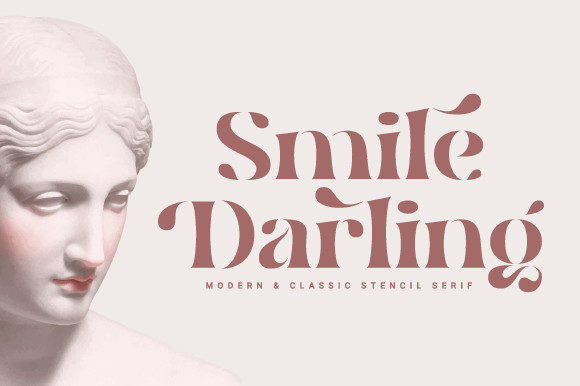
In the ever-evolving world of typography, finding the right font can make all the difference in how your message is perceived. Smile Darling stands out as a versatile and expressive slab serif typeface that effortlessly blends contemporary design elements with classic appeal. Whether you're creating content for branding, social media, print materials, or digital platforms, this font offers a unique aesthetic that can elevate your visual communication.
The Unique Characteristics of Smile Darling
Smile Darling is more than just another slab serif font; it’s a typographic expression of warmth and professionalism. The font features bold, structured serifs that give it a strong foundation, while its soft curves and balanced proportions add a touch of elegance. This duality makes it suitable for both traditional and modern contexts. It's especially effective when used to convey trust, sophistication, and creativity simultaneously.
One standout feature of Smile Darling is its PUA (Palette User Access) encoding. This means that users can easily access an extensive range of glyphs, ligatures, and swashes through their design software without needing advanced coding knowledge. The result is a seamless experience when customizing text for different applications, from wedding invitations to magazine layouts.
Why Choose a Slab Serif Like Smile Darling?
Slab serif fonts are known for their readability and strong visual presence. They combine the legibility of serif fonts with the impact of sans-serif styles. Smile Darling capitalizes on these strengths by offering a clean yet distinctive character set. Its slabs—those thick strokes at the ends of letterforms—are designed to be subtle and refined, avoiding the heavy-handed look often associated with other slab serif options.
This balance makes it particularly well-suited for use in editorial design, where clarity and style must coexist. Designers who have incorporated Smile Darling into magazines and blogs report that it enhances the overall reading experience by guiding the eye smoothly across lines of text while maintaining an engaging visual tone.
Practical Applications and Use Cases
Typography isn’t just about looks—it's also about function. Smile Darling shines in a variety of real-world scenarios due to its adaptability and broad stylistic range. Here are some key areas where this font excels:
- Branding: Businesses looking to establish a warm, approachable yet professional brand identity often turn to slab serifs. Smile Darling’s friendly but polished appearance makes it ideal for logos, taglines, and marketing collateral.
- Social Media Posts: In the fast-paced environment of social media, where attention spans are short, a font like Smile Darling helps messages stand out without overwhelming the viewer. Its distinctiveness ensures that headlines and captions catch the eye while remaining easy to read.
- Magazines and Editorial Work: With its excellent readability and elegant structure, Smile Darling is frequently used in editorial settings. It works well for body text, subheadings, and pull quotes, contributing to a cohesive and visually appealing layout.
- Wedding Invitations: The romantic and timeless feel of Smile Darling makes it a popular choice among designers crafting wedding stationery. The font brings a sense of celebration and sophistication to each letter, making every detail feel personal and meaningful.
- Creative Projects: From greeting cards to book covers, Smile Darling adds a layer of charm and uniqueness. Its versatility allows creators to experiment with various styles and formats, ensuring that the final product feels both authentic and stylish.
How to Integrate Smile Darling into Your Workflow
Integrating a new font into your workflow doesn’t have to be complicated. Thanks to its PUA encoding, Smile Darling is user-friendly even for those who aren't typography experts. Most design tools such as Adobe Illustrator, Photoshop, and InDesign support PUA-encoded fonts, allowing for quick access to alternate characters and decorative elements.
To start using Smile Darling effectively, consider the following tips:
- Pairing: Combine it with a complementary sans-serif or minimalist serif font for contrast. For example, pairing Smile Darling with a clean sans-serif like Montserrat or Lato can create a harmonious yet dynamic layout.
- Color and Spacing: Because of its bold nature, avoid overusing it in large blocks of text. Instead, use it strategically for headings, titles, or accents. Also, ensure proper spacing to maintain legibility, especially in smaller sizes.
- Experiment with Swashes: One of the best ways to leverage Smile Darling is by incorporating its built-in swashes and glyphs. These can add flair to names, quotes, or signature lines, making them visually striking without compromising clarity.
- Test Across Platforms: Always preview how Smile Darling appears on different screens and in print. While digital displays may show off its decorative features well, printed materials might require adjustments in weight or size for optimal results.
Advantages for Different Audiences
Whether you’re a designer, educator, business owner, or hobbyist, Smile Darling provides value tailored to your needs. Let’s explore how various groups can benefit from using this font:
For Designers and Creators
Designers appreciate the flexibility Smile Darling offers. Its ability to adapt to different tones—from playful to formal—makes it a go-to option for diverse projects. When designing for clients, having a font that supports multiple glyph variations and stylistic sets allows for greater customization and creative control.
For Educators and Researchers
Educators and researchers can use Smile Darling in presentations, academic posters, or educational materials where a blend of formality and approachability is needed. The font’s clear structure and consistent stroke weights help in delivering information effectively without distracting the reader.
For Business Owners and Marketers
Business owners and marketers will find Smile Darling useful in building a consistent and memorable brand image. Its friendly demeanor can help soften corporate messaging, while still projecting reliability and professionalism. It's commonly seen in industries like fashion, lifestyle, and hospitality, where aesthetics play a crucial role in customer perception.
For Hobbyists and Personal Projects
Hobbyists working on personal blogs, art portfolios, or DIY projects can take advantage of Smile Darling’s expressive qualities. It’s not uncommon to see it used in handmade greeting cards or home décor, where personality and craftsmanship are central to the design.
Comparisons and Alternatives
While Smile Darling has its own unique identity, it’s helpful to understand how it compares to other popular slab serif fonts. Fonts like Playfair Display and Bitter offer similar elegance but differ in weight distribution and character shape. Playfair Display, for instance, leans toward a more dramatic and antique feel, whereas Smile Darling maintains a lighter, friendlier tone.
On the other hand, more modern slab serifs such as Raleway or Quicksand prioritize minimalism and geometric precision. These fonts work well for tech-oriented or minimalist brands, but they lack the organic charm and rich texture that Smile Darling provides. Choosing between these depends largely on the intended audience and the emotional tone you wish to convey.
For those who want something slightly whimsical, alternatives like Great Vibes or Pacifico could be considered. However, these fonts tend to be less readable in longer texts and more suited for casual or artistic purposes. Smile Darling strikes a perfect middle ground, offering both visual appeal and practicality.
Current Trends and Why Smile Darling Fits In
Typography trends today lean toward authenticity and character. Designers are moving away from overly generic typefaces in favor of ones that bring personality and storytelling to the forefront. Smile Darling aligns perfectly with this shift, offering a font that feels handcrafted yet technically sound.
Its popularity has grown alongside the rise of hybrid designs that merge vintage and modern elements. As a result, Smile Darling is now a staple in many creative communities, especially those focused on branding, illustration, and editorial design. It’s also gaining traction in web design, where responsive typography and accessibility are key considerations.
Considerations Before Using Smile Darling
Before incorporating Smile Darling into your project, there are a few things to keep in mind:
- Licensing: Ensure that you have the appropriate license for commercial use if your project involves selling products or services. Some free versions may restrict usage, so always check the terms provided by the font creator.
- Font Weight Variants: Look into whether Smile Darling offers multiple weights or styles. Having access to different variants allows for better hierarchy and contrast in your design.
- Language Support: If your project includes non-English characters or special symbols, verify that Smile Darling supports the necessary language sets. Many high-quality fonts include extensive international character coverage.
- Accessibility: Although aesthetically pleasing, it’s important to test how Smile Darling performs in terms of readability for users with visual impairments. Avoid using it for small body text unless optimized for screen legibility.
Real-World Examples of Smile Darling in Action
To illustrate how Smile Darling can enhance your work, here are a few real-world examples:
- A boutique hotel used Smile Darling in its logo and website headers to evoke a sense of comfort and luxury. The font helped differentiate the brand from competitors by adding a human touch to the design.
- An independent publisher chose Smile Darling for the title of a poetry collection, using its swash alternates to highlight key verses. The result was a beautifully crafted cover that felt both intimate and professional.
- A local bakery integrated Smile Darling into its packaging and menu design, reinforcing its brand personality as warm, welcoming, and artisanal. Customers responded positively to the visual consistency and charm.
Final Thoughts on Smile Darling
Typography is more than just selecting a font—it's about choosing a voice for your message. Smile Darling offers that voice with a blend of modernity and tradition, making it a valuable tool for anyone who values both aesthetics and functionality. Its thoughtful design, ease of use, and wide-ranging applicability ensure that it remains relevant across industries and mediums.
By understanding its characteristics and potential uses, you can harness Smile Darling to create compelling visuals that resonate with your audience. Whether you're designing for a business, personal project, or educational material, this font can provide the perfect foundation for expressing your ideas with confidence and creativity.