Fibonacci Heap: A Powerful Data Structure for Efficient Operations
The Fibonacci Heap is a data structure that plays a critical role in optimizing performance for certain types of algorithms. Known for its exceptional efficiency in handling operations like insertions, deletions, and decrease-key functions, it’s particularly useful in advanced computing scenarios such as graph algorithms and resource management systems. This article explores the Fibonacci Heap's functionality, benefits, and how it can be applied in both technical and creative contexts.
Understanding the Basics of Fibonacci Heap
A Fibonacci Heap is a collection of trees that follow the min-heap property—wherein the key of each node is greater than or equal to the key of its parent. Unlike traditional binary heaps, which maintain a strict tree structure, Fibonacci Heaps are more flexible. They allow multiple trees of varying degrees to coexist, making them ideal for situations where frequent insertions and updates are required with minimal overhead.
This data structure was introduced by Michael L. Fredman and Robert E. Tarjan in 1984. Since then, it has been recognized for its ability to perform operations in amortized logarithmic time, especially when compared to other heap structures like the binomial heap or the binary heap. Its name derives from the fact that the number of trees and their sizes often relate to Fibonacci numbers during analysis.
Key Characteristics of Fibonacci Heap
- Lazy Consolidation: Instead of maintaining a single well-formed tree after every operation, Fibonacci Heap defers some work until necessary, reducing immediate computational cost.
- Amortized Efficiency: While individual operations may take longer, the overall average time complexity remains low, especially for operations like insertion and decrease-key.
- Multiple Trees: The heap consists of a forest of trees, each rooted at a node with children in a doubly linked list.
- Marked Nodes: These help track when a node has lost one child, enabling efficient cascading cuts during deletion processes.
Why Use Fibonacci Heap?
If you're working on applications that require frequent priority queue operations—like Dijkstra's algorithm for shortest path computation or Prim's algorithm for minimum spanning trees—the Fibonacci Heap offers significant advantages. It reduces the time complexity of these operations from O(log n) to O(1) for insertions and decrease-key, which can dramatically improve performance when dealing with large datasets.
One of the standout features of the Fibonacci Heap is its ability to merge two heaps efficiently. In many real-world applications, combining data structures is a common task, and the Fibonacci Heap handles this with an amortized constant time operation, making it highly adaptable for dynamic environments.
Real-World Applications of Fibonacci Heap
From software engineering to digital marketing, Fibonacci Heap finds utility in diverse fields. Here are some notable use cases:
- Graph Algorithms: Used extensively in Dijkstra’s and Prim’s algorithms to manage nodes based on priority, leading to faster execution times in network optimization problems.
- Resource Scheduling: Ideal for managing tasks in operating systems or cloud environments where minimizing latency and maximizing throughput are crucial.
- Data Analysis Tools: Applied in large-scale data processing pipelines where quick access to the smallest or largest elements is necessary without constant reordering.
- Game Development: Useful in pathfinding algorithms within games to dynamically adjust routes based on changing conditions.
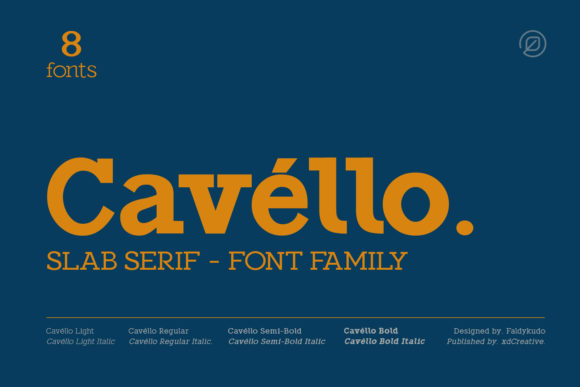
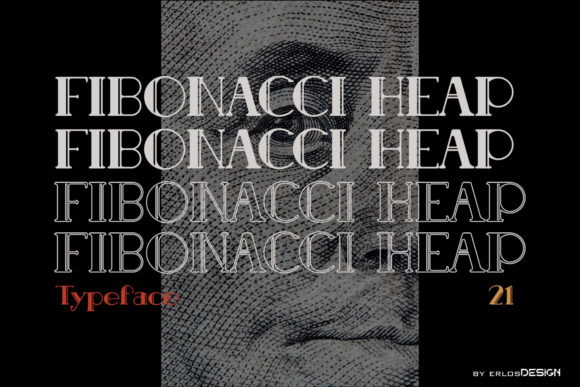
Fibonacci Heap Is a Vintage Styled and Adaptable Slab Serif Font
Interestingly, "Fibonacci Heap" also refers to a vintage styled and adaptable slab serif font designed for those who appreciate classic typography with modern versatility. Inspired by the mathematical elegance of the Fibonacci sequence and the structural robustness of the heap data type, this font blends historical charm with contemporary readability.
Fibonacci Heap is perfect for designers, bloggers, educators, and entrepreneurs looking to add a touch of timeless sophistication to their projects. Its slab serif design gives it a bold and confident presence, while its adaptability ensures it performs well across various platforms and mediums.
Design Qualities and Typographic Appeal
This font stands out due to its clean lines and sturdy letterforms. Each character is crafted with attention to detail, ensuring legibility at different sizes and distances. Whether you’re designing a website, creating print materials, or publishing content online, Fibonacci Heap delivers consistent visual appeal.
- Vintage Style: The font carries a nostalgic aesthetic reminiscent of early typewriters and printed newspapers, making it ideal for branding retro-inspired products or services.
- Slab Serif Design: The thick, block-like serifs give the font a strong, professional look, suitable for headlines, logos, and editorial content.
- Adaptability: Available in multiple weights and styles (italic, bold, condensed), it supports a wide range of typographic needs.
- Cross-Platform Compatibility: Works seamlessly on web and mobile interfaces, preserving clarity and consistency across devices.
Where to Use Fibonacci Heap in Creative Projects
For creators and marketers, choosing the right font can elevate the user experience and strengthen brand identity. Fibonacci Heap’s unique style makes it a compelling choice for several purposes:
- Brand Typography: Incorporate it into logos, taglines, or packaging to convey a sense of heritage and authenticity.
- Website Headers: Use it for titles and section headers to create a visually striking hierarchy that guides users effectively.
- Print Materials: From brochures to posters, the font’s slab serif design adds weight and gravitas to printed communications.
- Blog Titles and Articles: Employ it in blog headers or featured sections to enhance readability and visual interest.
Practical Considerations When Choosing Fibonacci Heap
Before integrating Fibonacci Heap into your workflow or design project, consider the following factors to ensure it aligns with your goals:
Evaluating Technical Performance
If you're using the Fibonacci Heap data structure, assess your application's requirements. For example, if your system involves numerous insertions and updates but fewer deletions, the Fibonacci Heap will likely outperform other heap implementations. However, if your primary need is fast extraction of the minimum element, the benefits might be less pronounced.
Also, keep in mind that the Fibonacci Heap's lazy approach means memory usage can be higher compared to stricter heap structures. Evaluate whether this trade-off suits your application’s constraints.
Selecting the Right Font
When selecting the Fibonacci Heap font for a design project, consider its compatibility with your target audience and platform. Its vintage feel works best in niches like fashion, food, or lifestyle brands aiming to evoke nostalgia or craftsmanship. Test the font in context—on mockups, websites, or prototypes—to see how it interacts with colors, spacing, and other design elements.
Ensure that the font maintains readability, especially in body text. Though it excels in headings and accents, avoid overusing it in long paragraphs where clarity could be compromised.
Maximizing Value Through Strategic Use
Whether as a data structure or a font, Fibonacci Heap provides value when used strategically. For developers, it enhances algorithmic efficiency, allowing complex computations to run smoothly. For designers and content creators, it adds a distinctive visual element that communicates professionalism and personality.
Here are some recommendations to make the most of Fibonacci Heap:
- Use it for high-priority elements: Highlight important information or actions with the font to draw attention and improve navigation.
- Pair it with complementary fonts: Combine Fibonacci Heap with sans-serif or script fonts to balance aesthetics and functionality.
- Optimize for accessibility: Ensure sufficient contrast and line spacing when using it in digital formats to support all users.
- Leverage its flexibility: Take advantage of its various weights and styles to match the tone and purpose of your content.
Observations from Real-World Usage
In practice, developers have found that implementing the Fibonacci Heap data structure significantly improves the performance of certain graph-based algorithms, especially when working with massive datasets. Meanwhile, designers report that the Fibonacci Heap font adds a memorable dimension to their work, helping to differentiate their brand in crowded markets.
One educator shared how using the Fibonacci Heap font in course materials gave lectures a more engaging and professional look, encouraging students to read and retain information better. Another entrepreneur mentioned using it in product packaging to highlight artisanal quality and authenticity, which resonated well with their customer base.
Final Thoughts on Utilizing Fibonacci Heap
The Fibonacci Heap is not just a technical marvel—it’s also a versatile design asset. As a data structure, it streamlines operations in performance-sensitive applications. As a font, it brings a refined, classic appearance to digital and print media alike.
By understanding its strengths and limitations, you can confidently integrate Fibonacci Heap into your creations. Whether you're building a scalable application or crafting a compelling brand message, this tool proves its worth through practicality and aesthetic appeal.
So, don’t hesitate to explore what Fibonacci Heap can do for you. Add it to your favorite projects and let yourself be amazed by the results it helps generate.